
Strengthening Communities: The Impact of Donation Distribution on Economy and Philanthropy

Listening to a Neighborhood’s Pulse
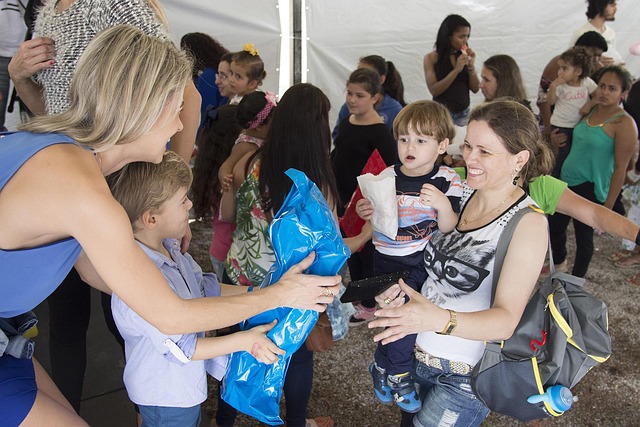
When we speak with residents at a local food co-op or overhear parents trading advice beside a playground, one phrase rises above the everyday hum: “How can we make our resources reach further?” That simple question sits at the heart of effective donation distribution. Unlike a one-time charitable act, distribution is an ongoing choreography that moves funds, goods, and know-how from points of abundance to pockets of unmet need, sparking conversations and collaborations that define a healthy Community.
Foundations and Philanthropy: Beyond the Big Check
Large foundations have long been portrayed as enigmatic vaults opening only for gala nights and grand announcements. Yet, inside most modern grant-making rooms you will find spreadsheets detailing neighborhood demographics, surveys from grassroots organizers, and even real-time social media sentiment. Their goal is no longer just to award money; it is to engineer resilient pathways for donation distribution. By involving block captains, faith leaders, and youth mentors in decision-making, foundations transform philanthropists from distant benefactors into active neighbors. The result is a cycle in which transparency nurtures trust, and trust encourages even bolder giving.
The Economic Ripple That Often Goes Unnoticed
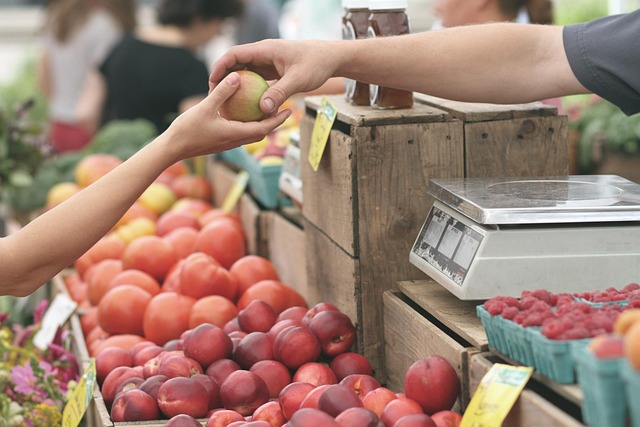
Picture a micro-grant enabling a community garden to purchase seeds from a local supplier. That supplier hires an extra hand for the busy spring season, who in turn spends wages at nearby cafés. What began as targeted donation distribution evolves into a chain of localized spending, amplifying purchasing power exactly where it is needed most. Economists call this the multiplier effect, but residents simply feel it as streets that bustle, storefronts that light up at dusk, and youths who find part-time jobs close to home.
Reinforcing Social Infrastructure
Money is only one ingredient. Skilled volunteers, donated software licenses, and refurbished laptops each add unique value to a community’s socioeconomic fabric. When organizations map these non-cash assets with the same rigor they apply to grant dollars, they create a lattice of interdependence that cushions future shocks—be it a sudden factory closure or a natural disaster.
Charting the Future Together
Imagine a public dashboard where every resident can track how many tutoring hours or fresh-produce boxes arrive weekly, accompanied by testimonials from recipients and small businesses that benefited. Such radical transparency demystifies donation distribution and invites constructive feedback, ensuring that philanthropic intent stays aligned with community reality. Ultimately, the most powerful economy is one where generosity circulates like oxygen—unseen yet essential, measurable yet deeply personal.